Hair transplant treatments in Budapest: S.H.E., FUE and VIP

Every method moves your own hair from the back and sides of the head, where hair is generally resistant to the hormone DHT, to the areas that are thinning. They differ in needle size, how grafts are handled and how the donor area heals.

Last updated: 22 October 2026

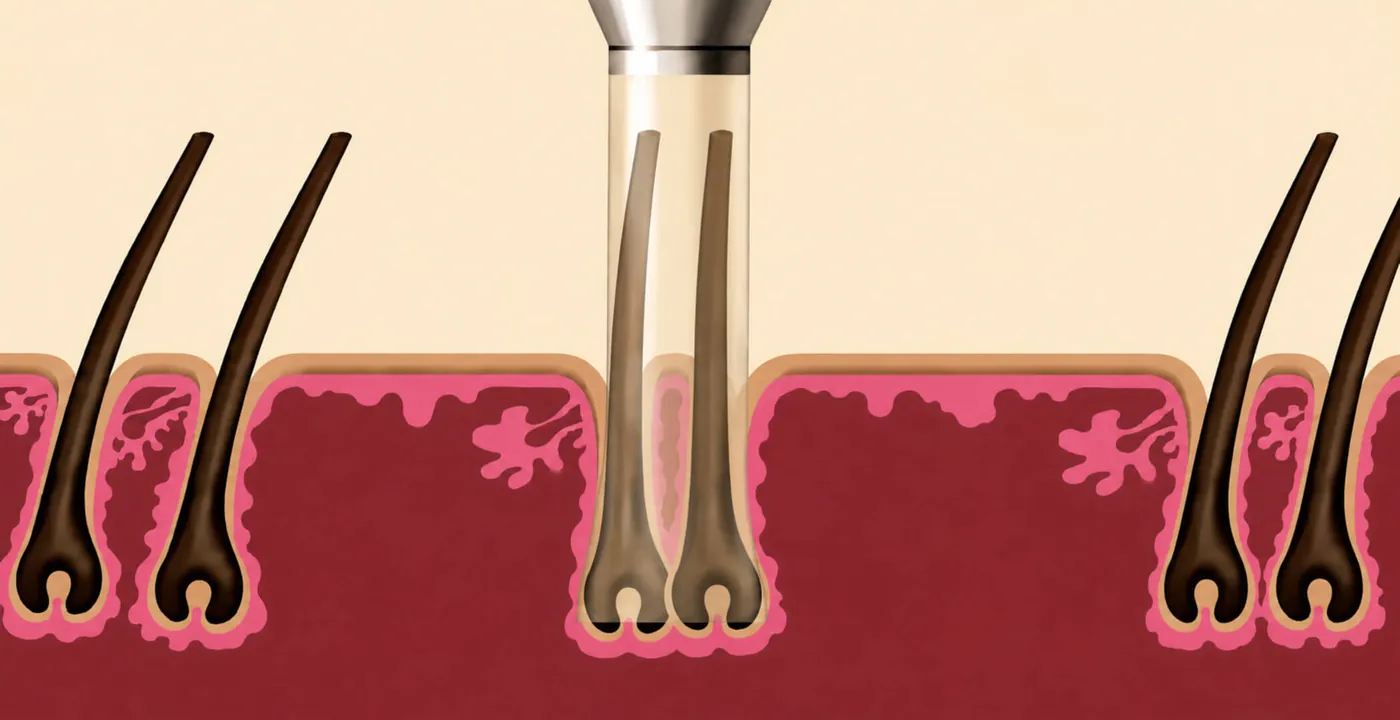
Illustration of a fine S.H.E. needle extracting a single hair follicle from the scalp

Developed at HIMG · Product of the Year 2013, Services category

S.H.E. Single Hair Extraction

Developed at HIMG and based on FUE, S.H.E. uses special equipment with extra-thin needles to extract grafts of 1 to 4 hairs one at a time.

  • Needles under 1 mm, finer than the 1.0–1.2 mm used for classic FUE
  • No scalpel, no cutting and no stitches
  • Small openings, with no stitches to remove
  • Healing times vary; your doctor explains what to expect
  • One-day packages of up to 4,500 hairs; larger sessions over two days
  • Suitable for adding density between existing hair
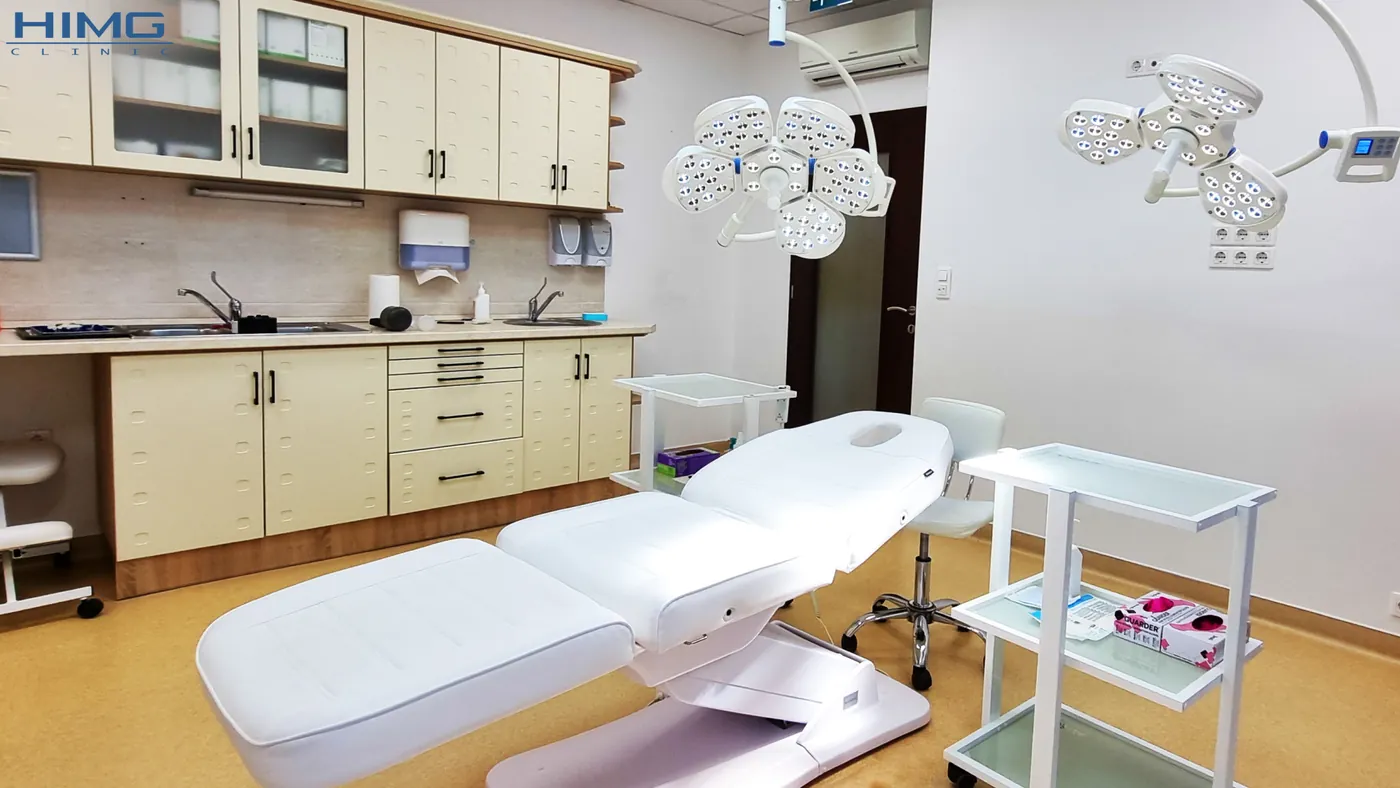
A HIMG Clinic operating room with a treatment chair and surgical lights

Used with S.H.E.

How grafts are implanted with S.H.E.

After local anaesthesia, only fine pin-pricks touch the scalp. Implantation needles hold each graft by its protruding hair, so the follicle itself is not handled during placement.

Because finer, weaker hair is not damaged during implantation, the method is often used for women. Whether it suits you depends on your assessment.

  • Performed with the HIMG Extractor and HIMG implantation needle
  • No general anaesthesia, scalpel or sutures
PricesS.H.E. and FUE package pricesPackages are sized by the number of hairs, with prices in pounds and euros.
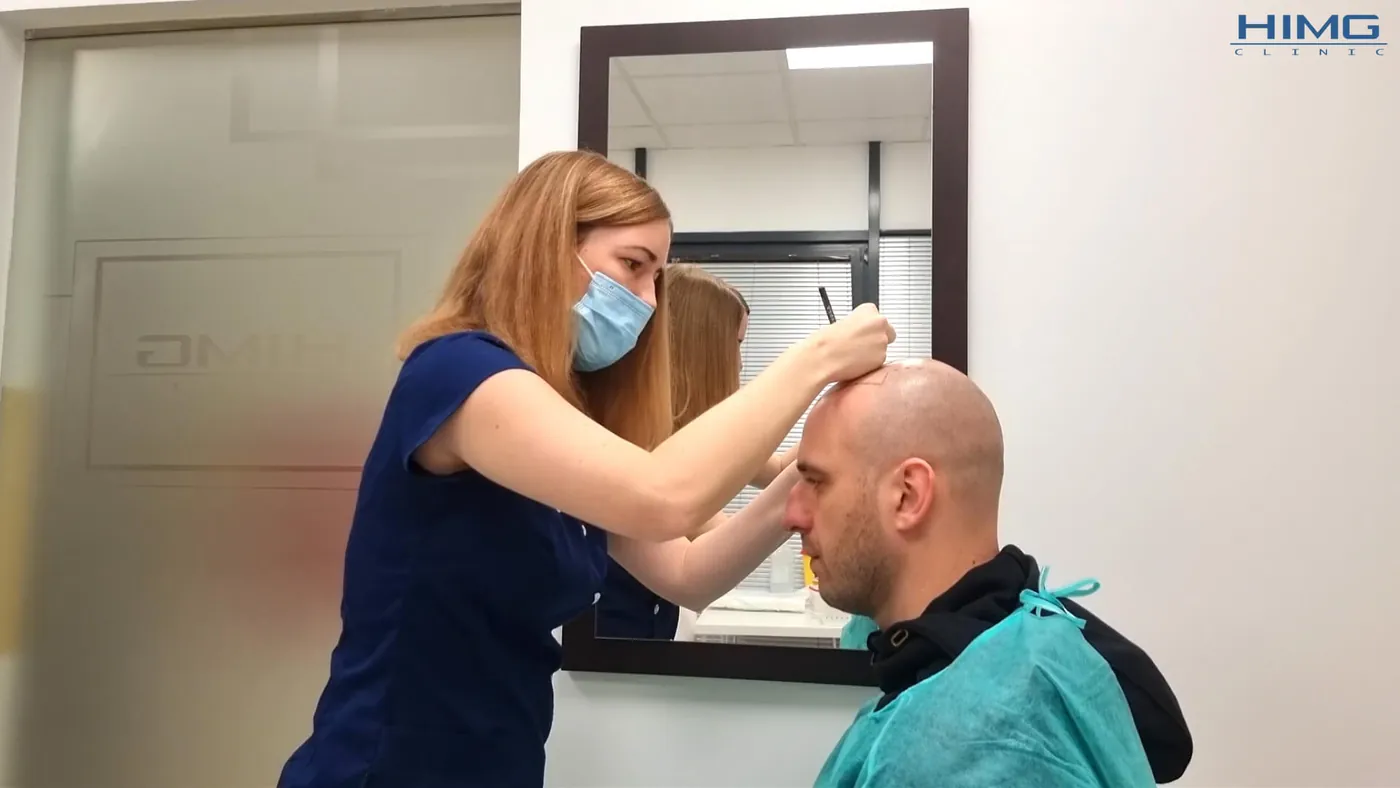
A HIMG doctor marking a patient's hairline before a procedure

Machine-assisted FUE

FUE Safe System

A machine-assisted version of FUE. Grafts are kept in a special solution until they are implanted. It uses the same 1.0–1.2 mm needles as classic FUE, which are larger than the needles under 1 mm used for S.H.E.

  • Machine-assisted extraction with 1.0–1.2 mm needles
  • Grafts stored in a protective solution
  • Can leave small marks on the nape and some donor thinning
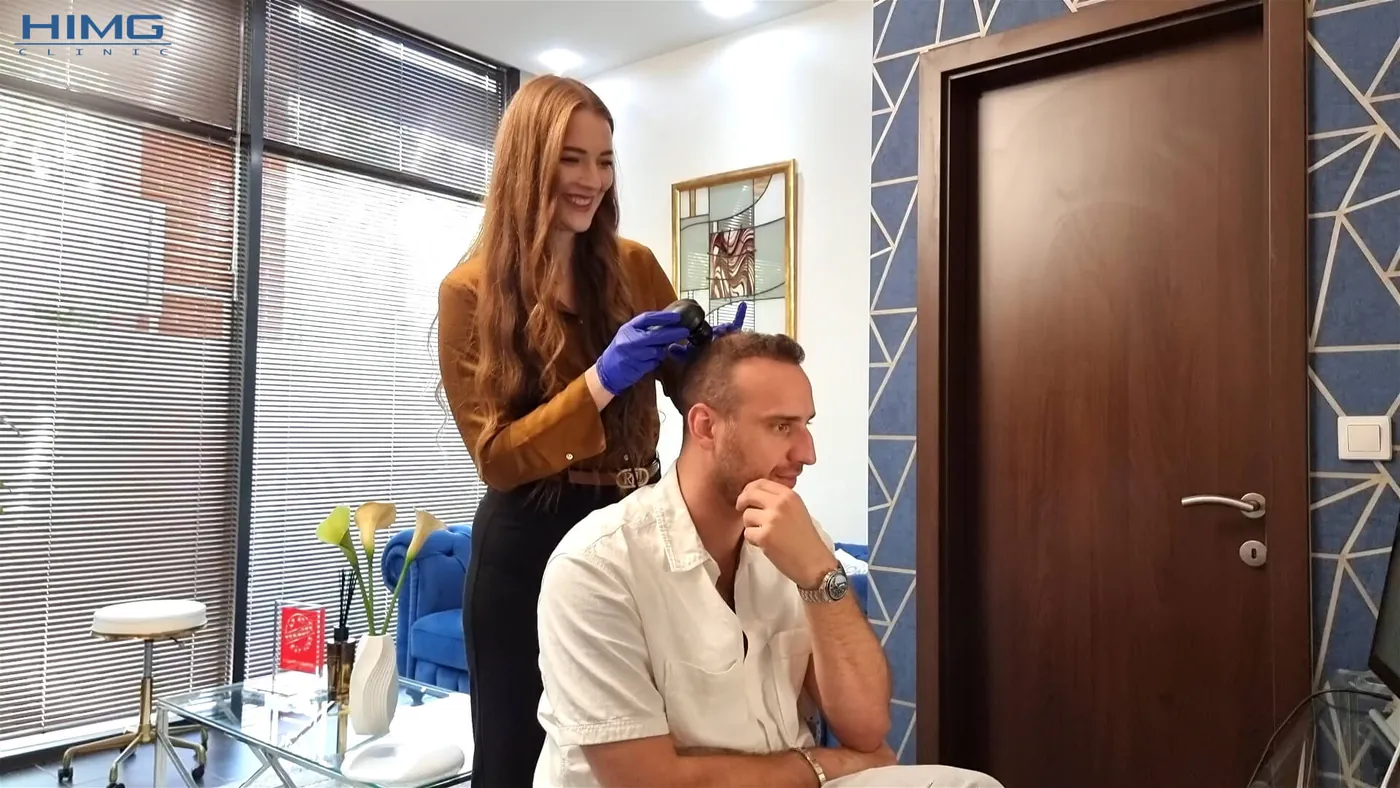
Olívia Gál, specialist consultant, checking a patient's hair with a scalp camera during a consultation

Classic technique

FUE Follicular Unit Extraction

A major step forward from older strip techniques. Follicular units of 2 to 4 or more hairs are taken with a 1.0–1.2 mm punch and implanted into small openings in the thinning area.

  • Can leave visible marks in the donor area
  • Uses larger needles (1.0–1.2 mm) than S.H.E.
  • Less suitable for adding density to existing hair

When FUE is a good choice, and its limitations

A patient room at HIMG Clinic with a sofa and plants

Premium option

VIP hair transplant

The S.H.E. method, performed by one of our most experienced doctors.

  • Treatment by one of our most experienced doctors

What the price includes

Patient resultsSee what these methods achieveUnretouched before and after photos, with the number of hairs transplanted for each patient.

FUE vs S.H.E.: the methods side by side

No method is best for every patient: your doctor recommends one after assessing your hair loss, donor area and hair type. As a guide, one day of treatment covers roughly one palm-sized area; two days cover about two.

MethodNeedleExtractionAnaesthesiaTypically used for
FUE1.0–1.2 mmConventional needleLocalYour doctor advises whether it suits you
FUE Safe System1.0–1.2 mmConventional needle, machine-assistedLocalGrafts kept in a protective solution; slightly lower price than S.H.E.
S.H.E.
VIPUnder 1 mmS.H.E. by one of our most experienced doctorsLocalTreatment by one of our most experienced doctors

The S.H.E. procedure, step by step

  1. Local anaesthesia

    The donor area is numbed in three steps.

  2. Extraction

    Follicles are taken one by one with specialised instruments.

  3. Planning

    After a second anaesthetic, your doctor draws the hairline and prepares the recipient area.

  4. Implantation

    Grafts are placed with implantation needles.

About S.H.E.

When FUE is a good choice

  • Your donor area has enough hair for the planned grafts
  • Your doctor recommends it after assessing your hair loss and donor area

Limitations of FUE

  • Thicker needles than S.H.E. can leave small marks in the donor area
  • Some thinning of the donor area is possible
  • Less suitable for adding density between existing hair

If these matter to you, ask your doctor about S.H.E.

What your doctor assesses before recommending a method. The pattern and extent of your hair loss, the size and density of your donor area, your hair characteristics (for example grey, curly or long hair) and what you want to achieve. Your donor area decides how many hairs can be moved safely.

If a hair transplant is not the right option for you, or the result you hope for is not realistic with your donor hair, we will tell you. For some types of hair loss, another treatment may be more suitable.

Your hair transplant day

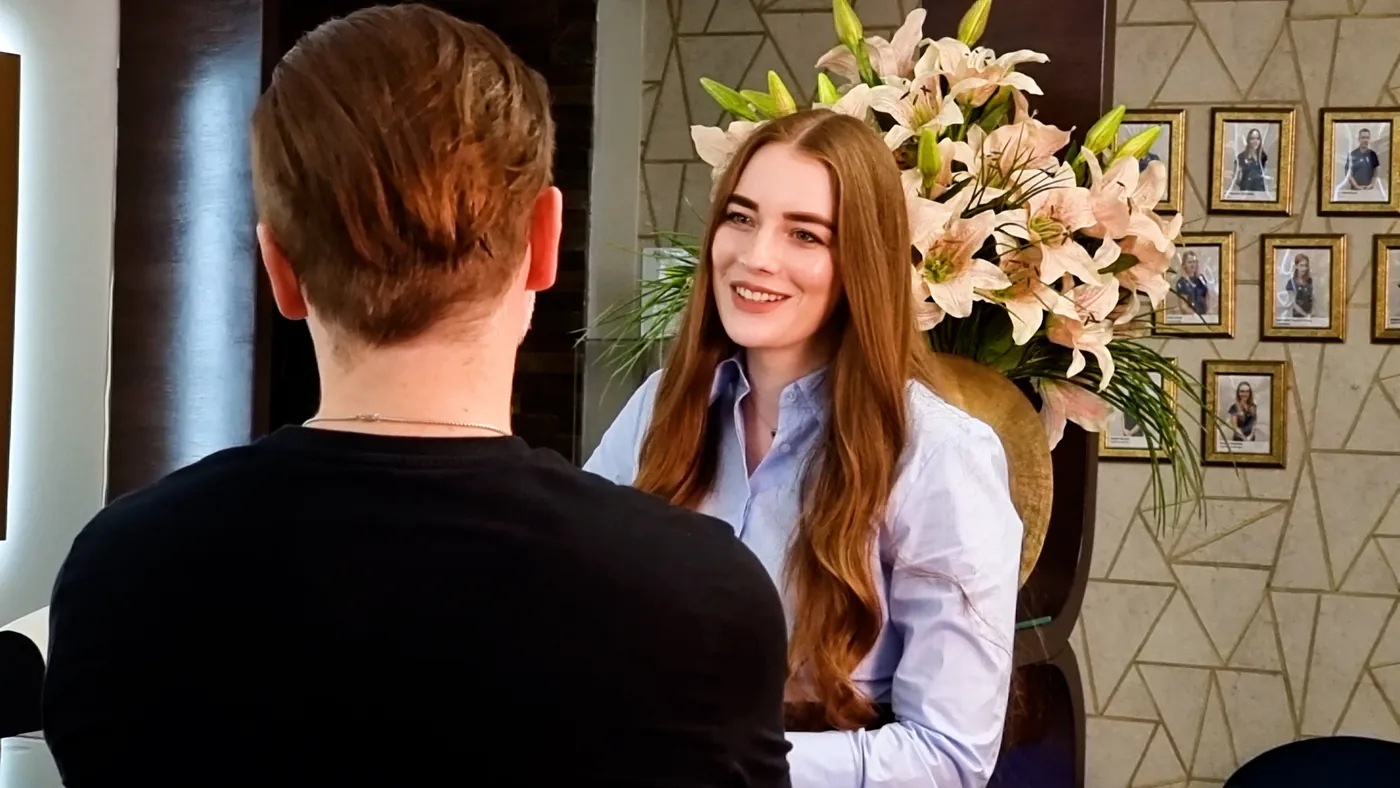
Before any procedure, a doctor examines your hair and scalp to confirm there is enough donor hair and to choose the right method.

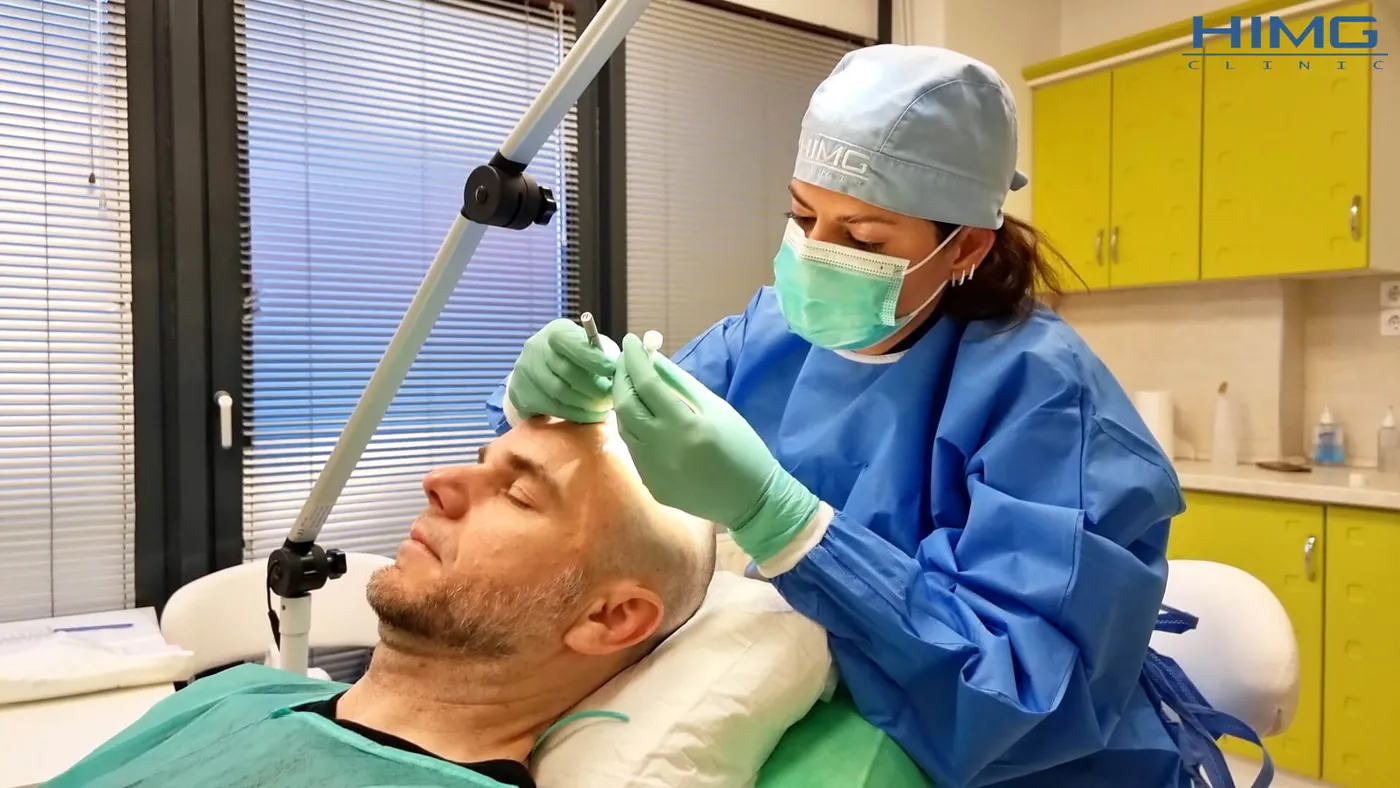
Dr. Rebeka Páli performing a hair transplant on Gergely Juhász
  1. 7:30

    Arrive at the clinic. Your doctor walks you through the plan.

  2. Local anaesthesia

    The donor area is numbed in three steps.

  3. Extraction

    Follicles are taken one by one from the back of the head.

  4. Planning the hairline

    After a break and a second anaesthetic, the doctor draws your new hairline and prepares the recipient area.

  5. Implantation

    Grafts are placed with implantation needles, with breaks along the way.

  6. Between 2 and 5 pm

    The procedure usually ends. You go home with an aftercare package and a day-by-day guide.

Hair transplant recovery, month by month

Everyone heals at their own pace, but most patients follow a similar pattern. Your doctor and the day-by-day guide in your aftercare package will tell you exactly what to do.

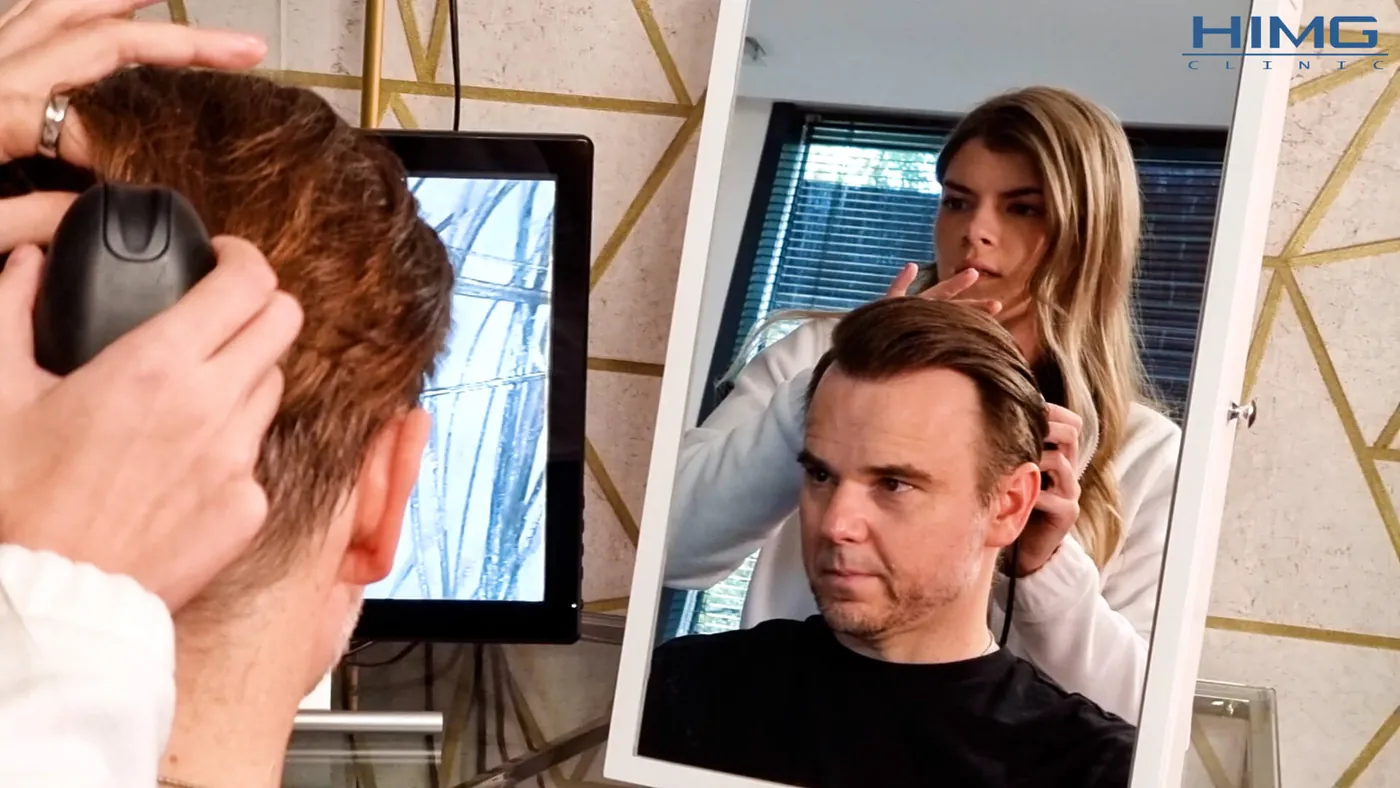
Dr. Rebeka Páli checking Gergely Juhász's hair transplant result while he watches in a mirror
  1. Procedure day

    You go home with an aftercare package: antibiotics, pain relief, a pillow protector, a special shampoo, a moisturiser for the donor area, saline solution and a day-by-day guide.

  2. First few days

    Some tightness or a burning feeling is normal. Pain relief is included in your aftercare package.

  3. Days 4–10

    The donor area at the back of the head heals.

  4. Days 6–12

    The transplanted area heals.

  5. First week

    Most people rest for about a week before going back to normal daily life.

  6. Weeks 2–3

    Sport and physical work can usually resume. Transplanted hairs may shed. This is expected: the follicles stay in place and grow new hair.

  7. Months 3–4

    New hair usually starts to grow.

  8. Around 10 months

    Most of the result is visible, as in many of our patients' photos.

  9. About 1 year

    The final result.

Looking after your new hair

  • Follow the day-by-day guide in your aftercare package.
  • Avoid extreme heat and cold, and keep direct sunlight off your scalp.
  • Save saunas, thermal baths and hard exercise until your doctor says it is safe.
  • Contact us by phone, WhatsApp, Viber or email if anything worries you.
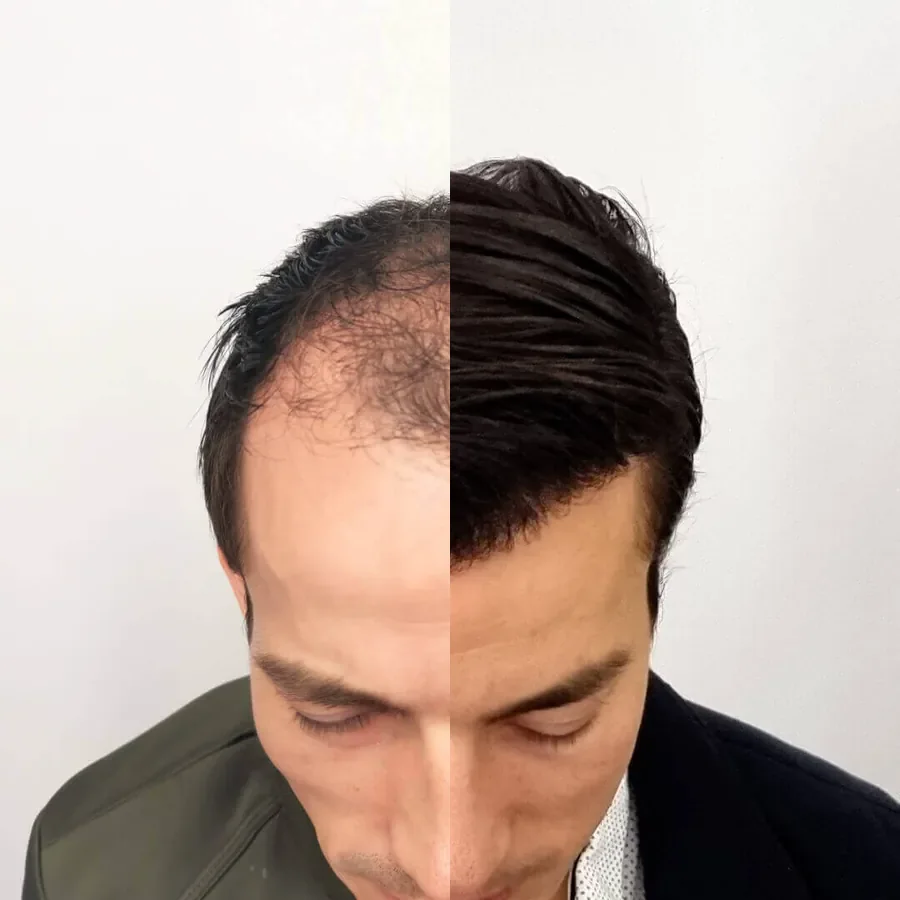
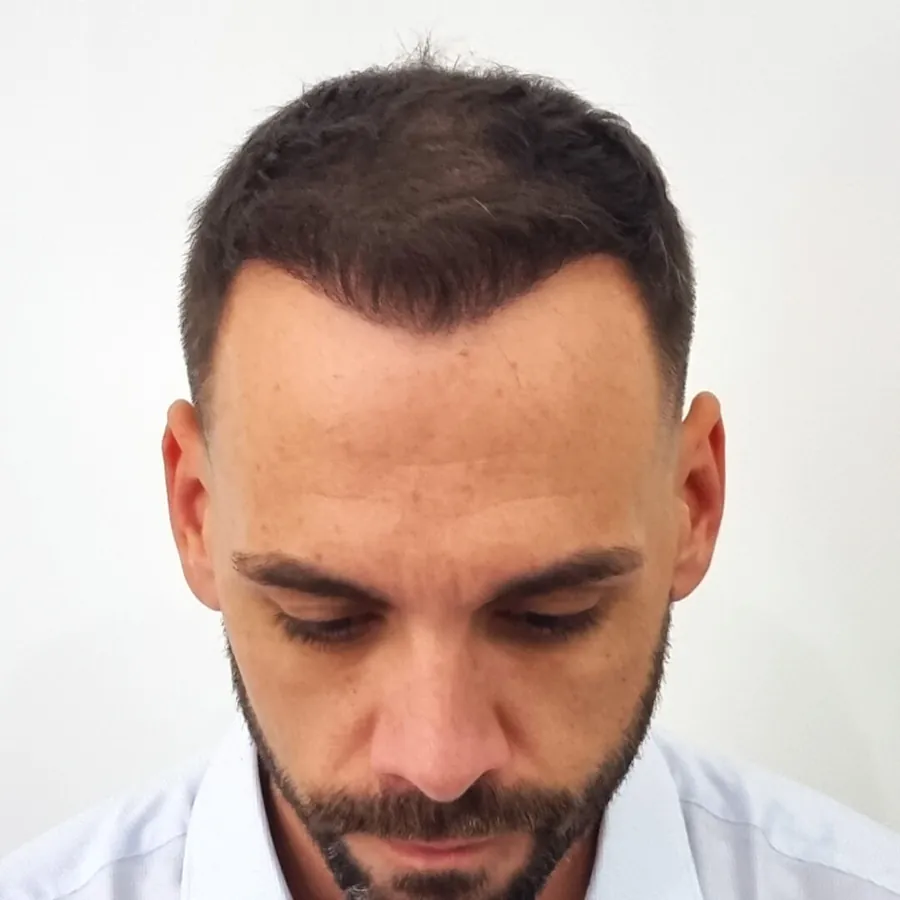
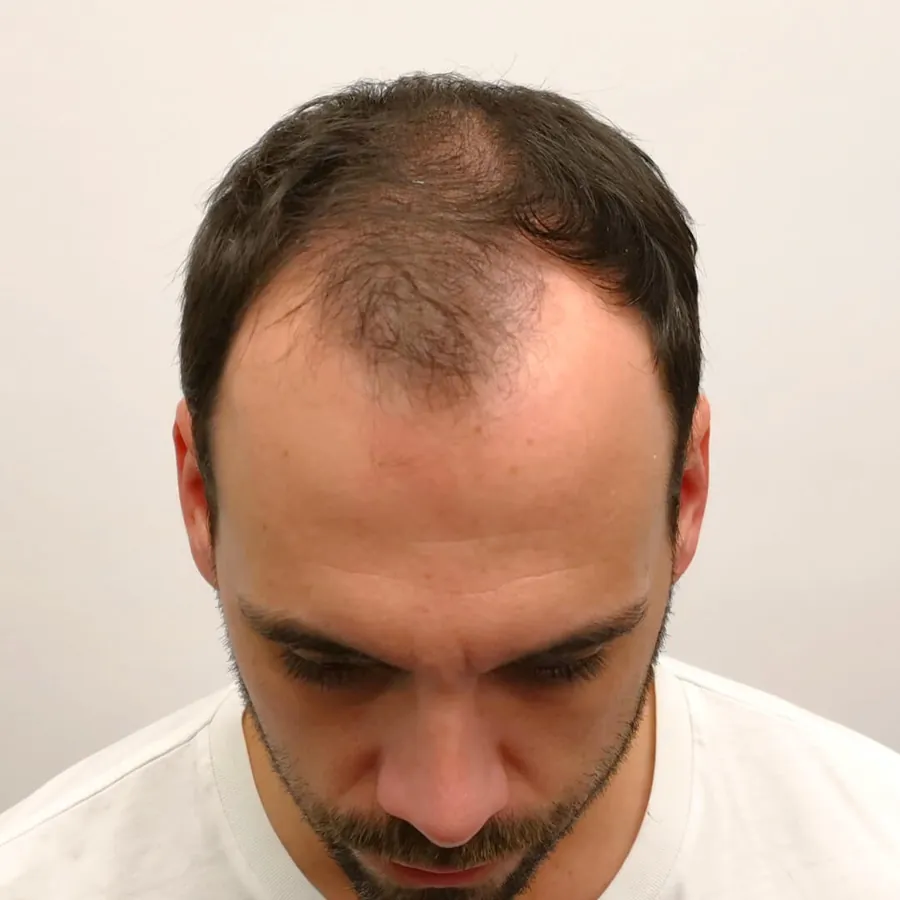
Balázs after his hair transplant, top view Balázs before his hair transplant, top view BeforeAfter

Balázs

4,500 hairs

Receding hairline and thinning on top. Results vary between patients.

Free assessmentQuestions about your treatment or recovery?Send us up to 5 photos, and our doctors will provide an expert assessment within 72 hours, usually within one working day.
Dr. Rebeka Páli checking Gergely Juhász's hair transplant result while he watches in a mirror

Hair transplant for men and women

We treat receding hairlines, thinning on the top of the head and the crown, as well as diffuse thinning in women. Transplantation is possible between long hair, so women do not always need to cut their hair short.

Your plan depends on the size and quality of your donor area, whether you are greying, and whether you are willing to cut your hair short.

Request an Assessment

Hair transplant for women   Recovery month by month

Hair transplant for women: what is different

Hair loss in women often looks different from male pattern baldness. We plan every female hair transplant around your hair type, the area that is thinning and how you want to wear your hair.

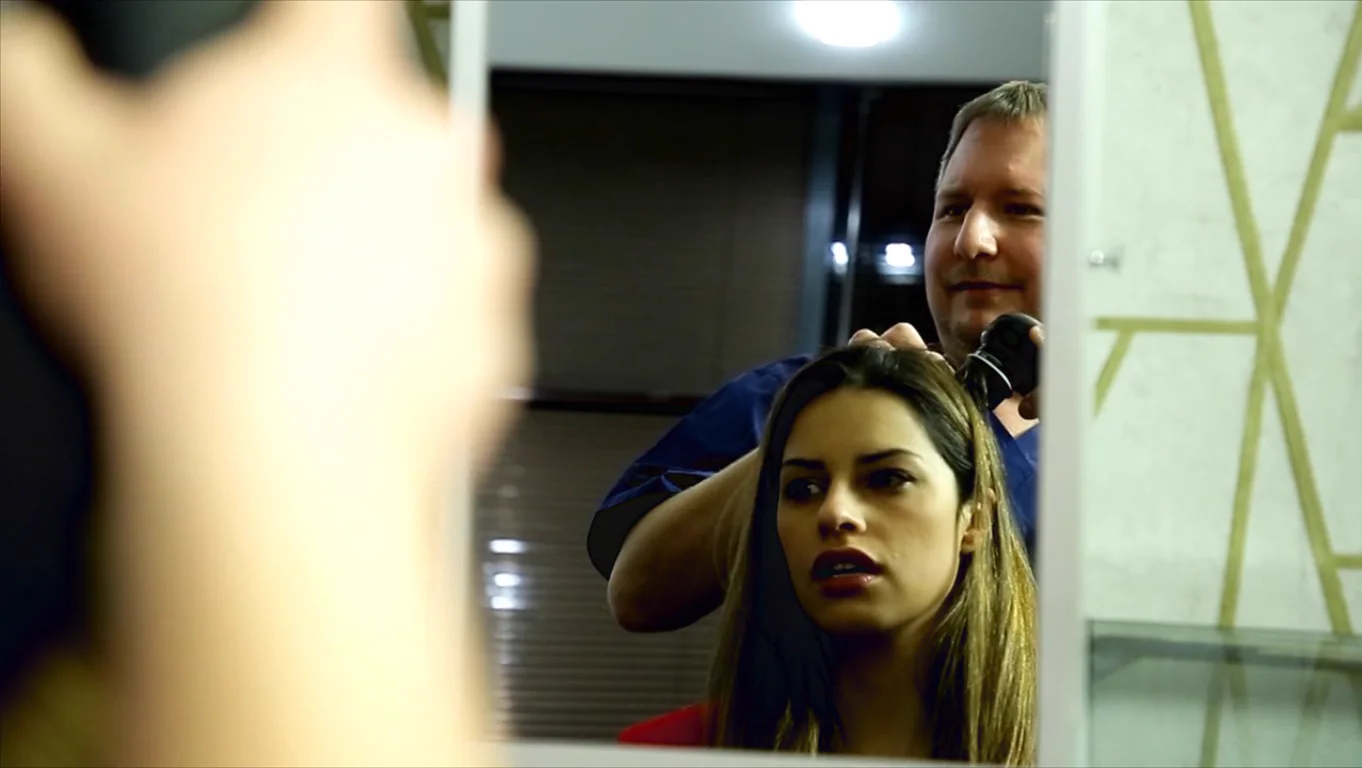
Dr. András Lendvai examining a female patient's hair with a scalp camera during a consultation, seen in a mirror

How female hair loss is different

Women more often lose density across the top of the head than at the hairline. We treat diffuse thinning, thinning near the hairline and patchy hair loss, and we have treated women with alopecia.

Before recommending a transplant, a doctor examines your hair and scalp. A transplant needs a healthy donor area at the back of the head, and for some types of hair loss another treatment may be more suitable.

You can keep your hair long

Many women worry about having to cut their hair short. Transplantation between long hair is possible, and there are two trimming options. Your doctor will explain which one suits you.

As with every procedure, actual prices may vary depending on the complexity and nature of the procedure required. Pricing disclaimer

How grafts are implanted

Female hair is often finer and weaker. During an S.H.E. procedure, the implantation needle holds each graft by its protruding hair, so the follicle itself is not handled during placement. This is why it is often used for women with finer hair; your doctor will advise whether it suits you.

Women we have treated   Questions from women

Your hair transplant doctors

A specialist medical team in a 500 m² clinic dedicated to hair transplants, in Budapest's 13th district.

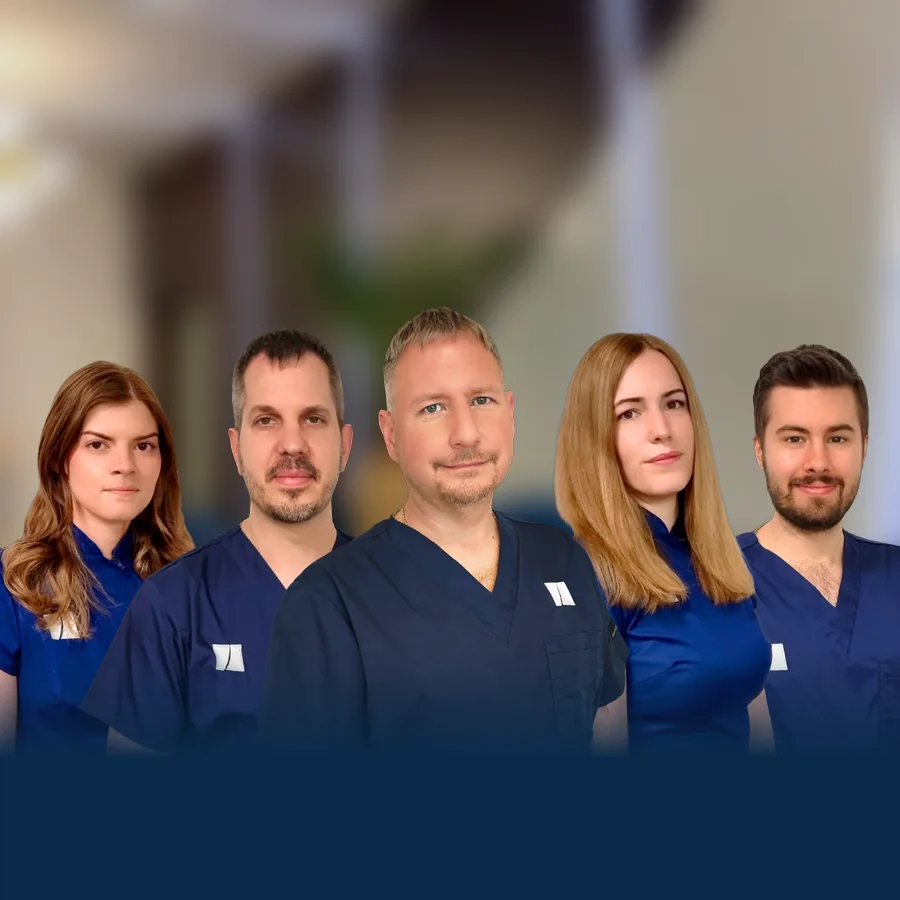
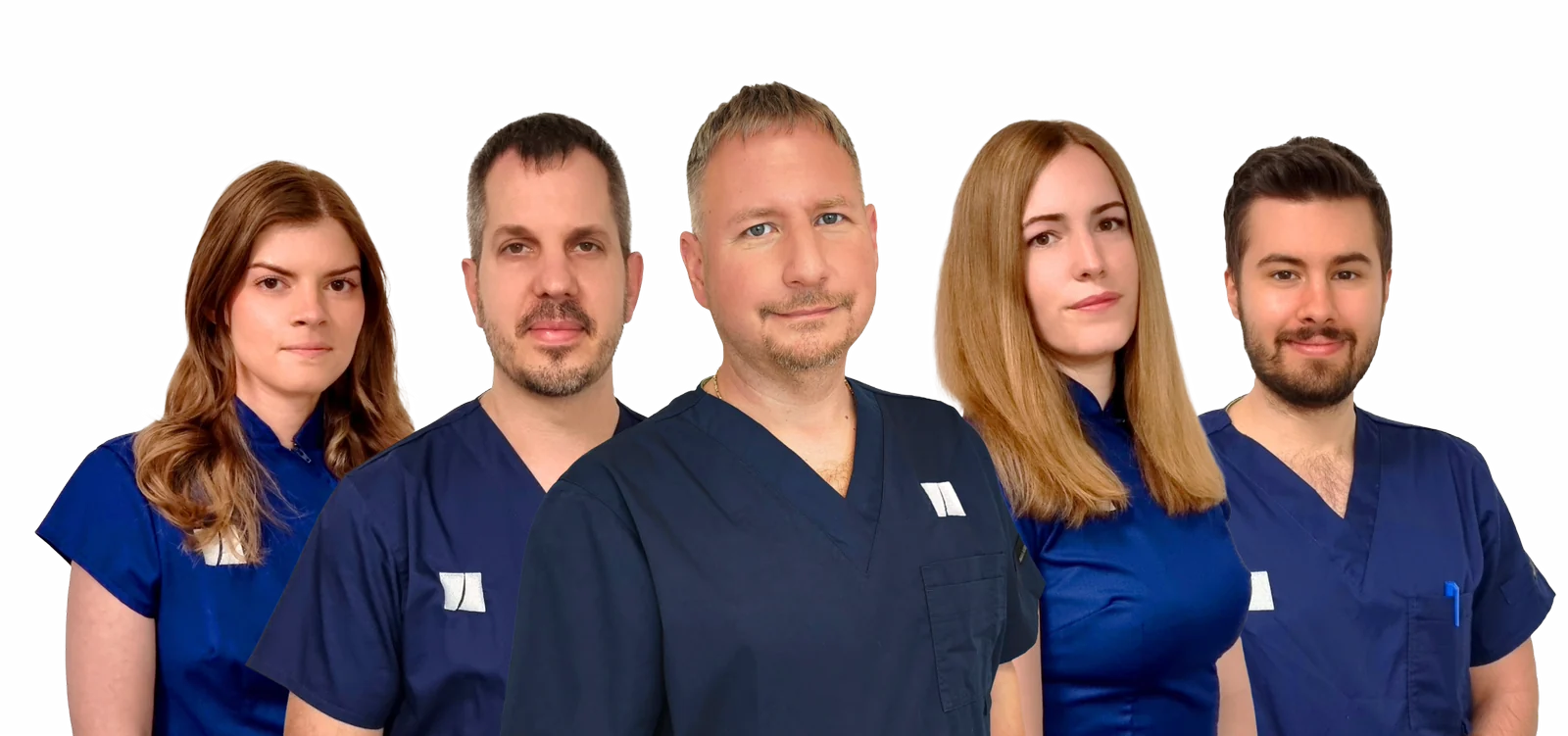
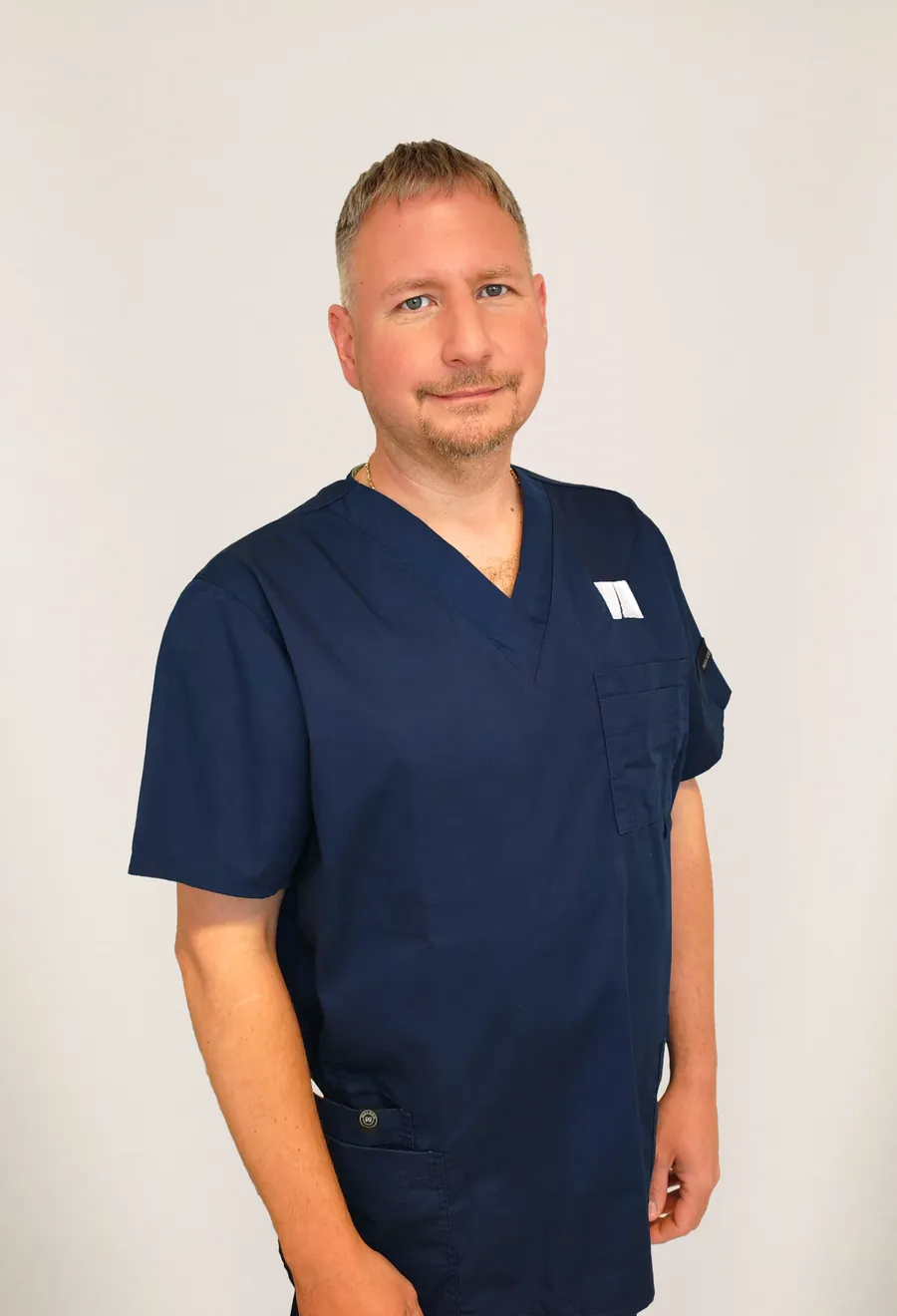
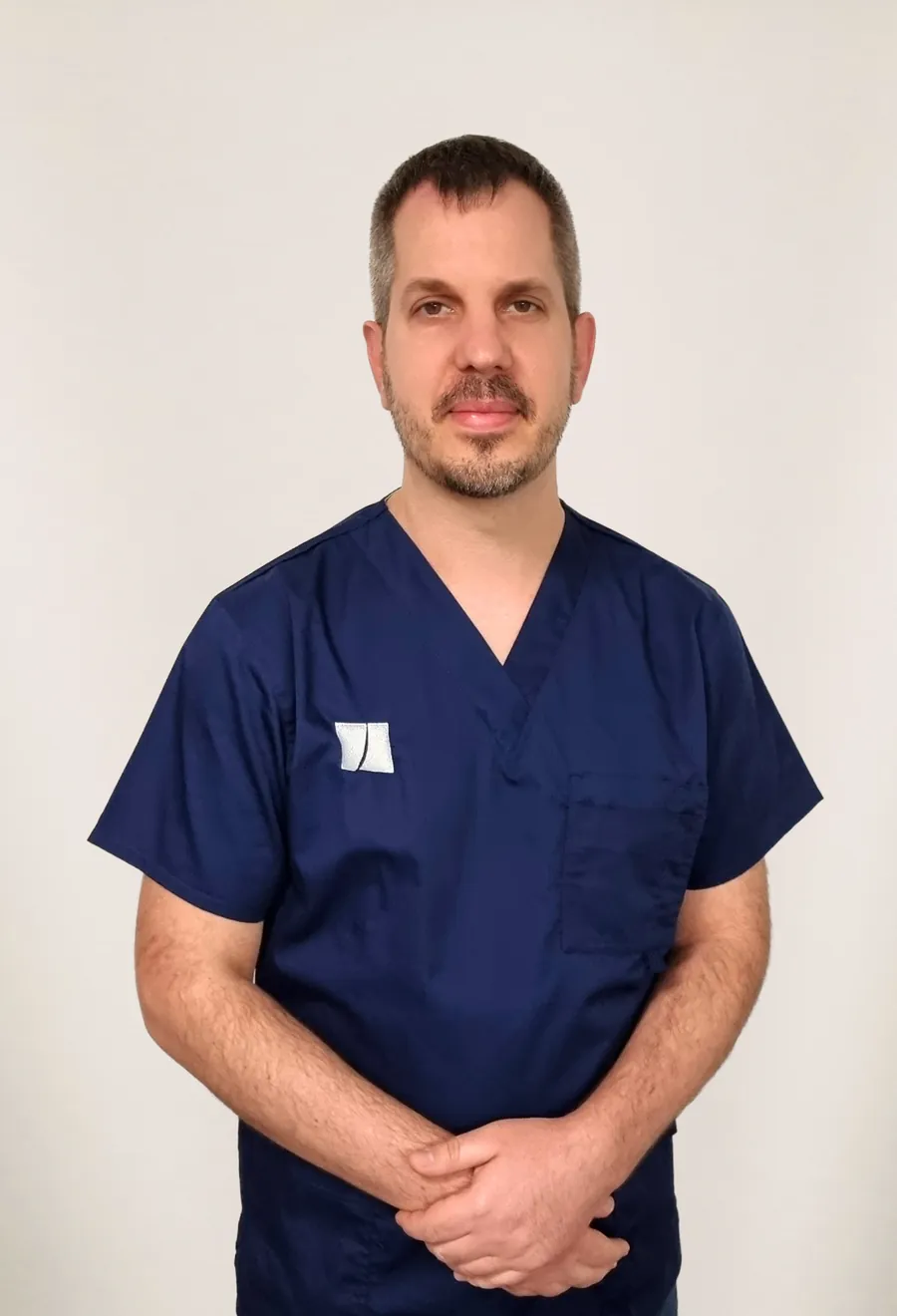
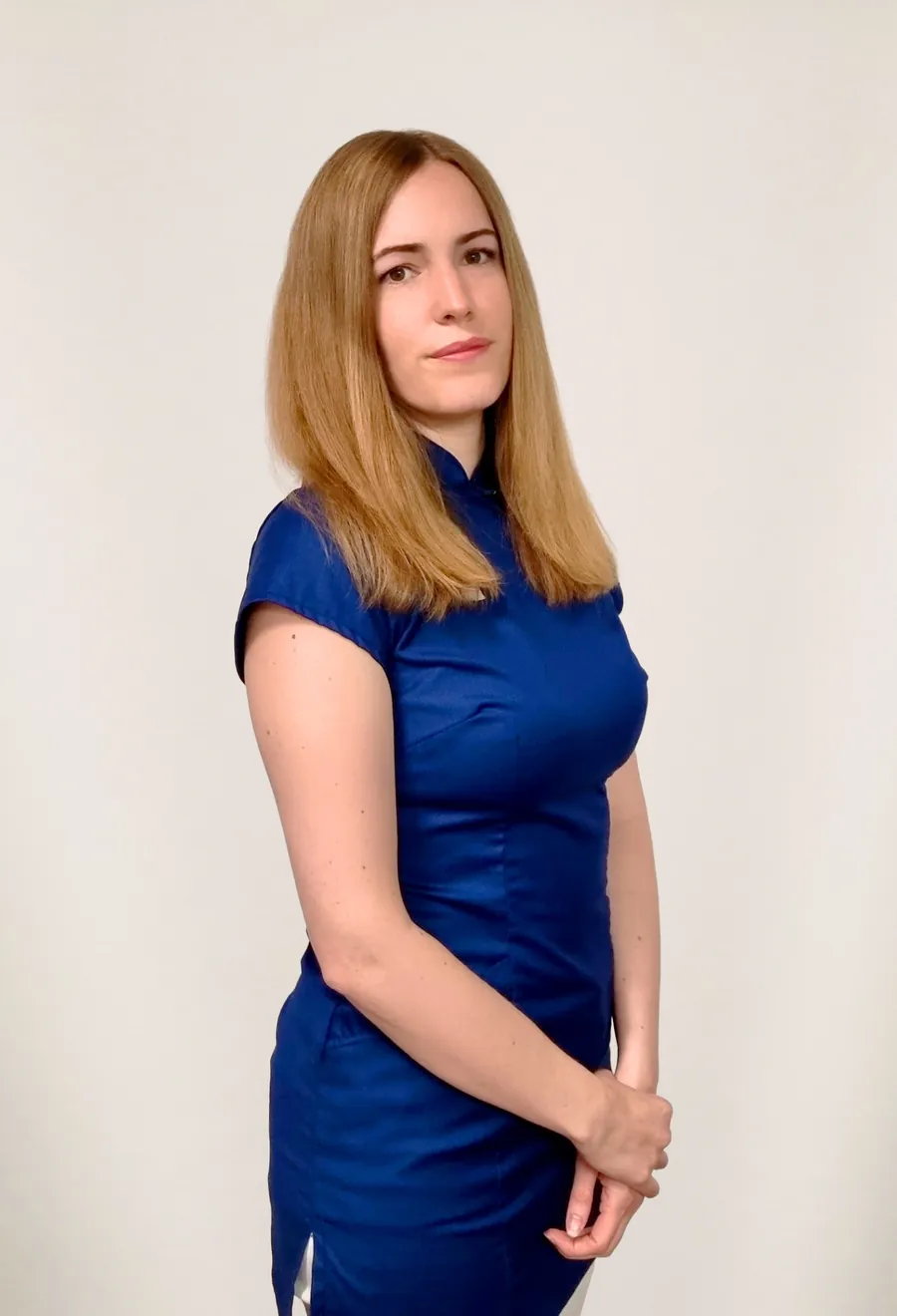
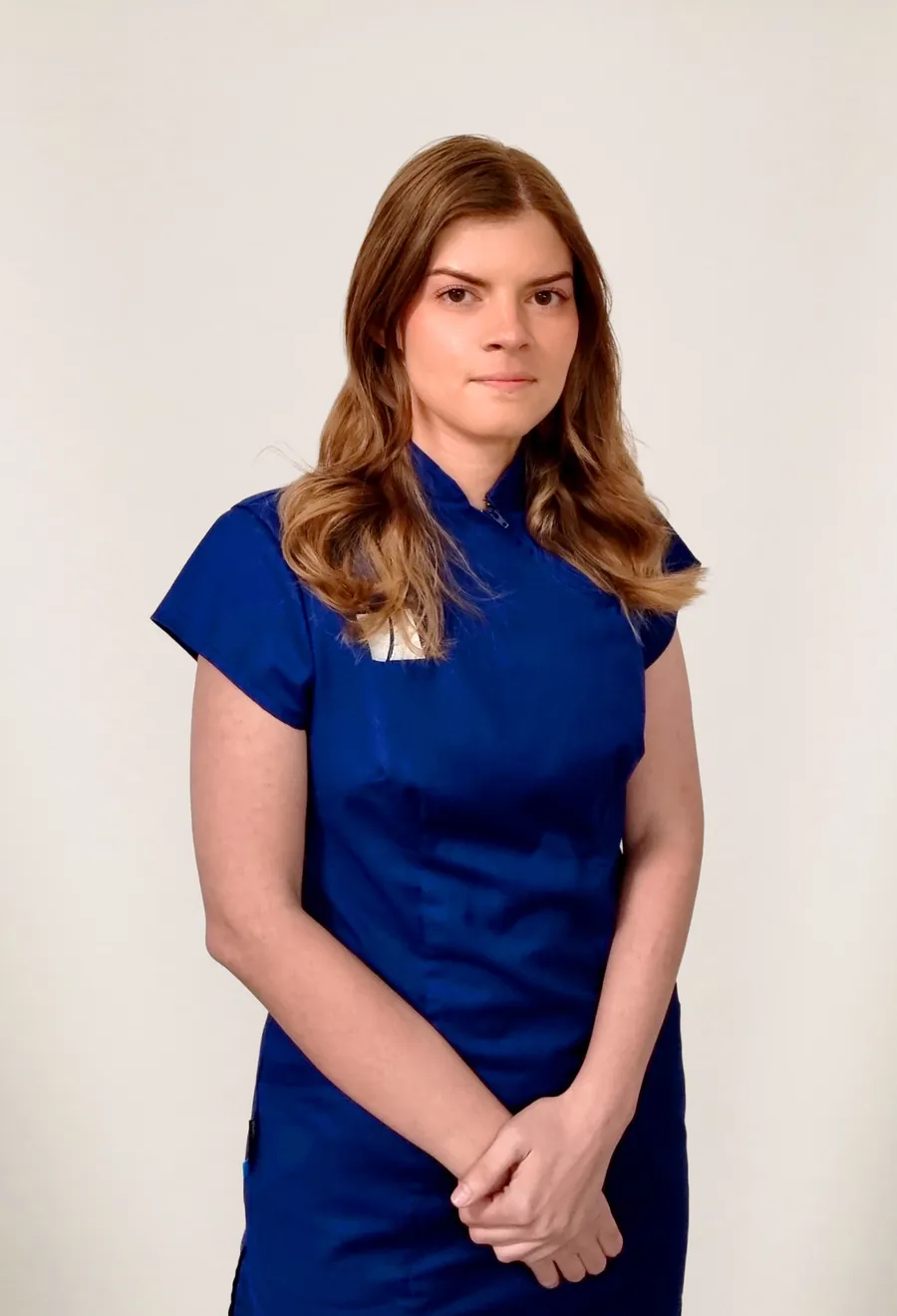
The five HIMG Clinic doctors in navy scrubs
Portrait of Dr. András Lendvai

Dr. András Lendvai

Chief Medical Officer, specialist surgeon

Dr. Lendvai graduated from Semmelweis University in Budapest and has worked in surgery since 2002. He has been HIMG's leading hair transplant specialist since 2008 and leads the medical team, performing FUE, S.H.E. and VIP procedures.

  • Medical degreeSemmelweis University
  • At HIMGSince 2008
  • Surgical days1,600+
  • Grafts transplanted2 million+
  • LanguagesEnglish
Portrait of Dr. Máté Albert

Dr. Máté Albert

Hair transplant doctor, S.H.E. technique expert

Dr. Albert graduated from the University of Debrecen and has been a hair transplant specialist at HIMG since 2014. He performs hair transplants full-time, every day.

  • Medical degreeUniversity of Debrecen
  • In hair transplantation11+ years
  • Surgical days1,500+
  • Grafts transplanted2 million+
  • LanguagesEnglish, German
Portrait of Dr. Bianka László

Dr. Bianka László

Hair transplant doctor, S.H.E. technique expert

Dr. László graduated from the University of Pécs and has been a hair transplant specialist at HIMG since 2017. She performs hair transplants full-time, every day.

  • Medical degreeUniversity of Pécs
  • At HIMGSince 2017
  • Surgical days1,500+
  • Hairs transplanted5 million+
  • LanguagesEnglish
Portrait of Dr. Rebeka Páli

Dr. Rebeka Páli

Hair transplant doctor, S.H.E. technique expert

Dr. Páli graduated from the Faculty of General Medicine at Semmelweis University and joined HIMG in 2022. She works exclusively in hair transplantation and currently transplants the highest number of grafts per day in our team.

  • Medical degreeSemmelweis University
  • At HIMGSince 2022
  • Hairs transplanted2 million+
  • LanguagesEnglish
Portrait of Dr. Ádám Bódi

Dr. Ádám Bódi

Hair transplant doctor, S.H.E. technique expert

Dr. Bódi graduated summa cum laude from the Faculty of General Medicine at the University of Debrecen. As a student he achieved outstanding results at national competitions and Scientific Students' Association conferences.

  • Medical degree, summa cum laudeUniversity of Debrecen
  • LanguagesEnglish (C1)

Client coordinators and medical assistants

Our coordinators answer your questions before and after the procedure. Medical assistants support the doctors in the operating room.

  • Olívia GálSpecialist consultant, client coordinator
  • Gréta Paul-GubóClient coordinator, medical assistant
  • Henrietta PaholíkClient coordinator
  • Fanny Tóth-ZsigaMedical assistant
  • Zsanett Panna GombkötőMedical assistant
  • Virág VargaMedical assistant
  • Emese TorontáliMedical assistant
  • Anett SoósMedical assistant

Inside our hair transplant clinic in Budapest

1135 Budapest, Szegedi út 56. Consultation rooms, operating rooms and a quiet room to rest in between. The 500 m² clinic was built to international medical standards, and its operating rooms have a sterile air supply and extraction system.

Our hair transplant guarantee

Every hair transplant at HIMG comes with a written contract that includes the clinic's guarantee. Here is an overview; the contract sets out the exact terms.

In writing, in your contract

The guarantee is part of the contract you sign before your procedure and covers the quality of the work we do. You can ask for a copy of the contract before you book.

Why donor hair is used

Grafts are taken from the back and sides of the head, where hair is generally resistant to DHT, the hormone linked to male pattern hair loss. This is why transplanted hair usually keeps growing in its new place. Individual results vary, and the contract sets out exactly what the guarantee covers.

Corrections of other clinics' work

We also correct hair transplants that did not turn out well at other clinics. Send us photos and our doctors will assess what can be done.

A minimal intervention

With the S.H.E. method, the procedure is done under local anaesthesia, with no scalpel and no stitches.

The exact terms are set out in your contract. If you have any questions about the guarantee, ask us before your procedure: call +36 30 214 3000 or email info@himgeurope.com.

Hair transplant questions and answers

Choosing a method

What is the S.H.E. hair transplant method?

S.H.E. (Single Hair Extraction) is HIMG's own FUE-based method. Extra-thin needles under 1 mm extract grafts of 1 to 4 hairs one at a time, with no scalpel and no stitches.

Is S.H.E. better than FUE?

Neither method is right for everyone. S.H.E. uses needles under 1 mm, finer than the 1.0–1.2 mm of classic FUE, and the clinic often uses it when adding density between existing hair. Your doctor recommends a method after assessing your hair loss and donor area.

Did S.H.E. win an award?

Yes. The S.H.E. method won the Product of the Year award in Hungary in 2013, in the services category.

What is an FUE hair transplant?

FUE (Follicular Unit Extraction) moves follicular units of 2 to 4 or more hairs from the back of the head to the thinning area, using a 1.0–1.2 mm punch, without a strip incision.

What is the FUE Safe System?

A machine-assisted version of FUE in which grafts are kept in a protective solution until implantation. It uses the same 1.0–1.2 mm needles as classic FUE.

Does FUE leave scars?

FUE can leave small marks in the donor area and some thinning. Our S.H.E. method uses finer needles to reduce this.

Before your hair transplant

Am I suitable for a hair transplant?

It depends mainly on the size and quality of your donor area, the back and sides of the head, which determines how many hairs can be moved. A doctor checks this at a hair and scalp examination before every procedure. You can start with a free assessment from photos.

How should I prepare?

Avoid alcohol, caffeine and very spicy food before the procedure. Wash your hair the evening before. The donor hair needs to be cut short, to 1–2 mm.

Can I keep my hair long?

Yes, transplantation between long hair is possible, and there are two trimming options. Your doctor will explain which suits your case.

Is there a best time of year?

The procedure can be done all year round. Afterwards, avoid extreme temperatures and direct sunlight on the scalp.

On the day

Does it hurt?

The procedure is done under local anaesthesia. Afterwards you may feel some tightness or burning, and we provide pain relief.

How long does it take?

We meet at the clinic at 7:30 am. Extraction and implantation take place with breaks, and the procedure usually ends between 2 and 5 pm.

What is a graft?

A graft is a small unit of tissue containing one or more hairs, 2–3 on average. We use a multiplier of 2.5 when planning, so 2,000 grafts is roughly 5,000 hairs.

Where are the grafts taken from? Will it leave scars?

Grafts come from the back of the head, sometimes from ear to ear. FUE-based methods such as S.H.E. do not involve a strip incision, so there is no linear scar. Small marks in the donor area are possible; your doctor will explain what to expect for your hair type.

Recovery and aftercare

How long is the recovery after a hair transplant?

Most people rest for about a week. As a guide, the donor area typically heals in about 4–10 days and the transplanted area in about 6–12 days. Healing varies from person to person. Sport and physical work can usually resume after 2–3 weeks.

Why does transplanted hair fall out after a few weeks?

Shedding at 2–3 weeks is a normal part of the growth cycle. The follicles stay in place and start growing new hair, usually from month 3–4.

When will I see the final result?

New hair usually starts to grow at 3–4 months, most of the result is visible at around 10 months, and the final result at about one year.

Does a hair transplant hurt afterwards?

Some tightness or a burning feeling is normal in the first days. Pain relief is included in your aftercare package.

What is in the aftercare package?

Antibiotics, pain relievers, a pillow protector, a special shampoo, a moisturiser for the donor area, saline solution and a day-by-day aftercare guide.

Hair transplant for women

Can women have a hair transplant?

Yes. We treat women with diffuse thinning, thinning near the hairline, patchy hair loss and alopecia, after a doctor has examined the hair and scalp to confirm the donor area is suitable.

Do I have to shave my head?

No. Transplantation between long hair is possible, with two trimming options. Your doctor will explain which suits you.

Does a hair transplant cost more for women?

Prices are the same as for men. All prices on this website are indicative starting prices, and actual prices may vary depending on the complexity and nature of the procedure required.

Which method is best for women?

Many women are treated with S.H.E., in which the implantation needle avoids handling the follicle during implantation. The right method for you depends on your assessment.

Guarantee

Is the guarantee in writing?

Yes. The guarantee is part of the contract you sign before your procedure.

Is the result guaranteed?

No clinic can guarantee an exact outcome, because results depend on your donor hair, hair type, healing and the area treated. Transplanted hair comes from the back of the head, where hair is generally resistant to DHT, so it usually keeps growing. Read the guarantee terms in your contract before your procedure.

Can you fix a hair transplant done at another clinic?

Yes, we correct hair transplants that did not turn out well elsewhere. Send us photos for an assessment.

Questions about prices are answered on the prices page, and questions about travelling from the UK in our UK patient guide.

Not sure which method suits you?

Send us photos of the thinning area. A doctor will recommend a method and give you an approximate price.